Selected work by Amelio Nazarko, Senior Product Designer & Poet
- Screen recording of Stanford Health Care search, from the Get Care page to results for “afib doctor” and then filtered to Cardiac Arrhythmia Service locations
Stanford Health Care Search & Design System — One search, every directory. Patients move sideways instead of starting over.
Image 1 of 4
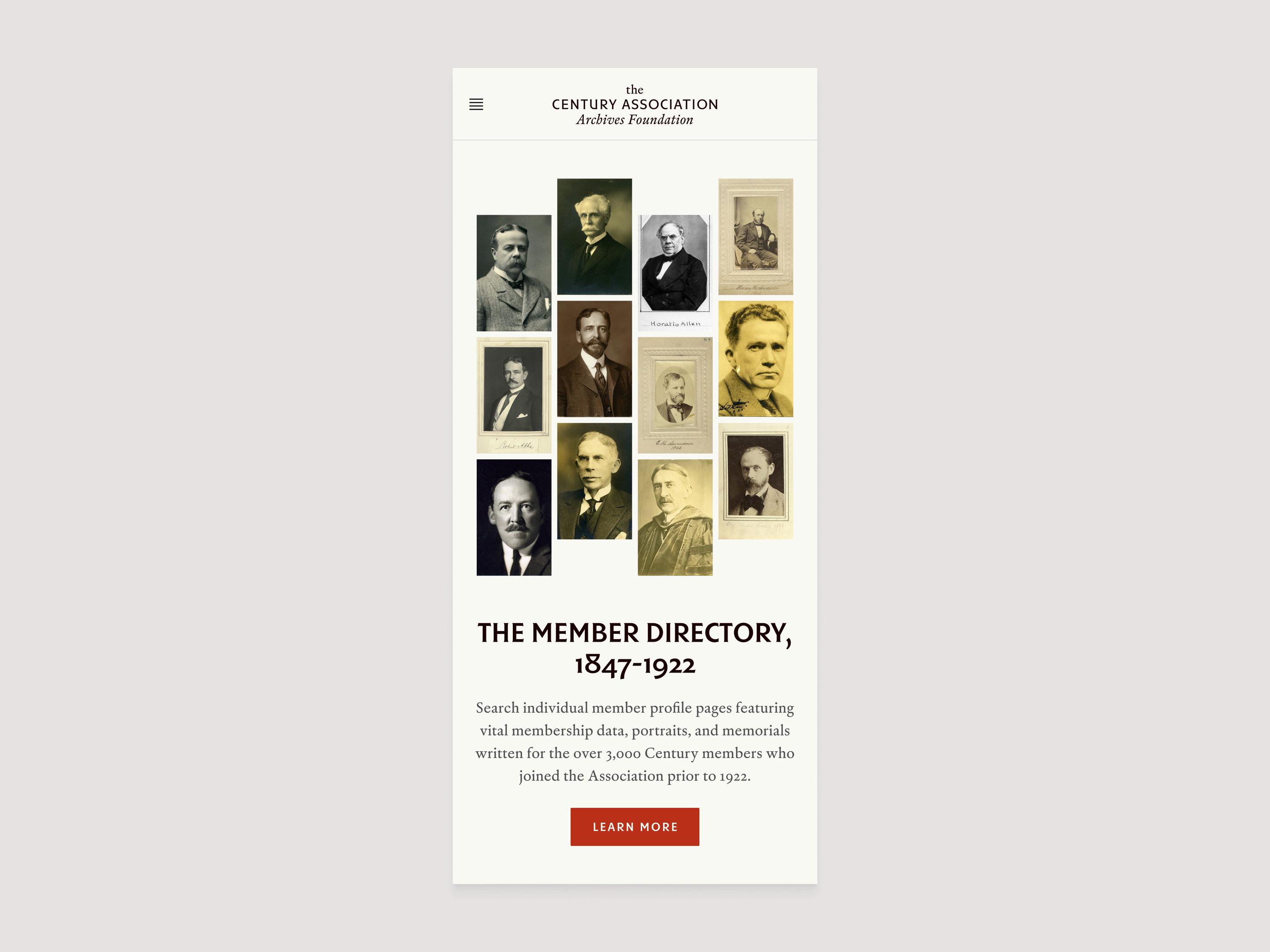
The Century Association Archives Foundation — Designing a public research site and its design system from the archive’s own material
I designed the Century Association Archives Foundation’s public site and CABA, its biographical archive of 3,000+ members from 1847 to 1922, along with a design system built from the archive’s own photographs, illustrations, and emblems.
I worked on creating curated entry points (notable members, founders, full-text search, everything) so casual visitors, family historians, and researchers each start in the right place.
Since every member was vouched for by another, each name on a biography links to that person’s page, turning dead ends into a network. I also worked on making filters follow how scholars work: name, profession, place of birth or death, and year ranges.

Pear Deck Learning — Consolidating four ed-tech products into one learning ecosystem
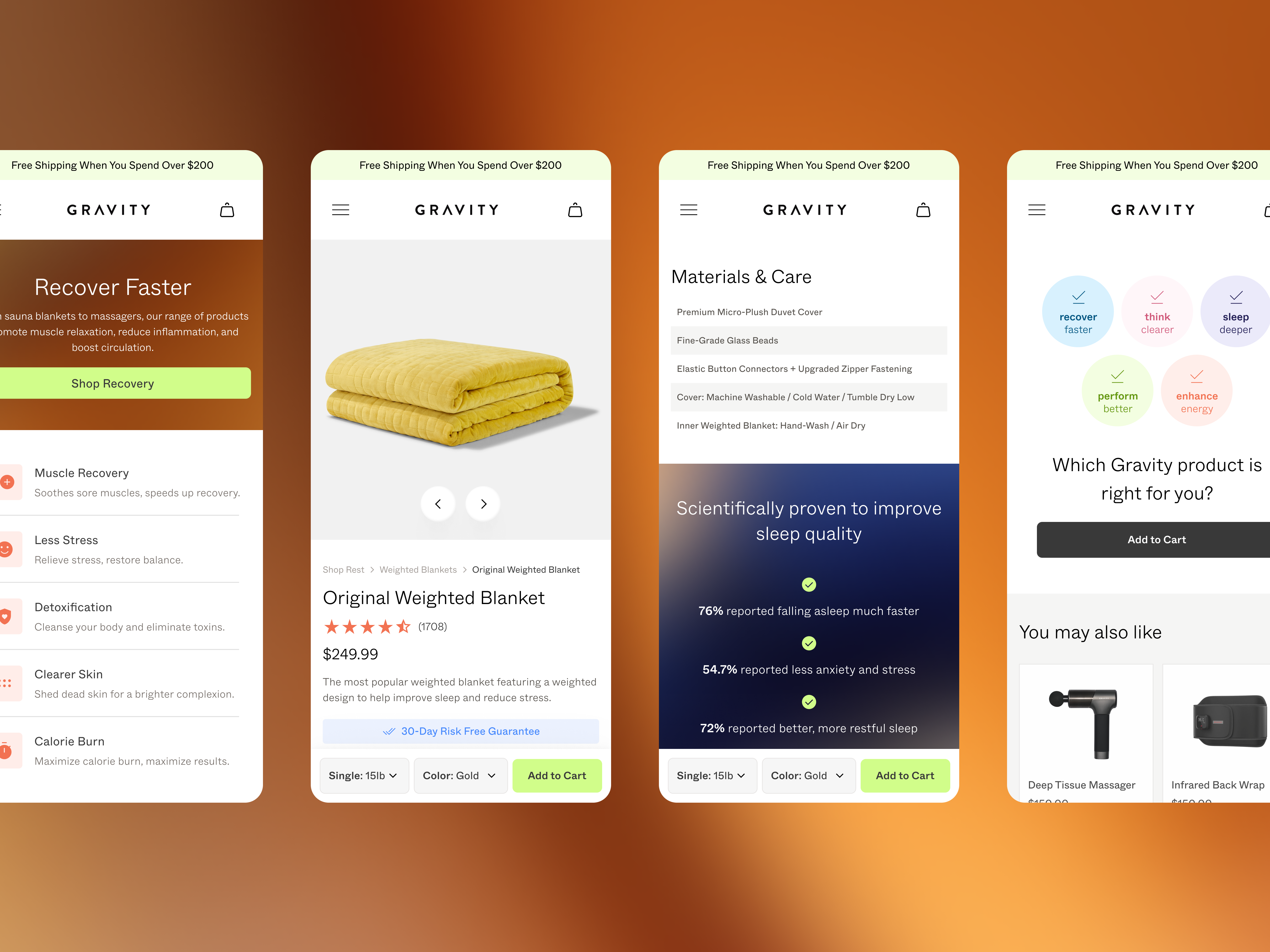
Image 1 of 4
Gravity Wellness — Overhauling the Gravity site to reposition them as a holistic rest & recovery brand
What the rebuild covered
Gravity sold weighted blankets. The catalog, the navigation, and the product pages were all built around that one product. The brand was moving into rest and recovery as a broader category, and the site had nowhere to put the second half.
I redesigned the experience end to end as the sole UX designer across Win Brands Group's portfolio. The problem was making one store hold two product tracks without becoming two stores.
Add-to-cart rate rose 30%. Converted sessions rose 15%.
Rest and recovery
The catalog splits into two parallel tracks, and the interface says which one you're in before you read anything. Rest runs cool. Recovery runs warm. Temperature carries the taxonomy, so the distinction lives in the design rather than in a paragraph explaining the distinction.
Component library and handoff
The old site was assembled from one-off pages. Every new product or campaign meant new layout work, and nothing carried forward.
I replaced them with a documented component library: composable patterns, specified for engineering handoff. New products enter the existing system instead of getting a page built for them.
Prosody — Search tool for finding poems by their internal machinery
Prosody (opens in a new tab) is a poem search tool that indexes formal structure: meter, rhyme scheme, enjambment, the volta. A Python script annotates a few hundred curated poems once, offline, and ships the result as one JSON file, so the whole thing runs as a static site with no database, no query endpoint, and no server.
There's no live backend—this was a small curated corpus which means every filter combination returns something worthwhile. Python script runs once, offline, and turns poems into structured annotations in three layers:
- Deterministic: syllable counts and stress patterns from the CMU pronouncing dictionary (via pronouncing), plus rhyme scheme and line structure. Rules only.
- Heuristic: anaphora, caesura, and enjambment, all detectable from structure.
- Semantic: theme and volta, from a batched Claude call. Finding the turn in an argument needs language understanding.
Coming Soon!
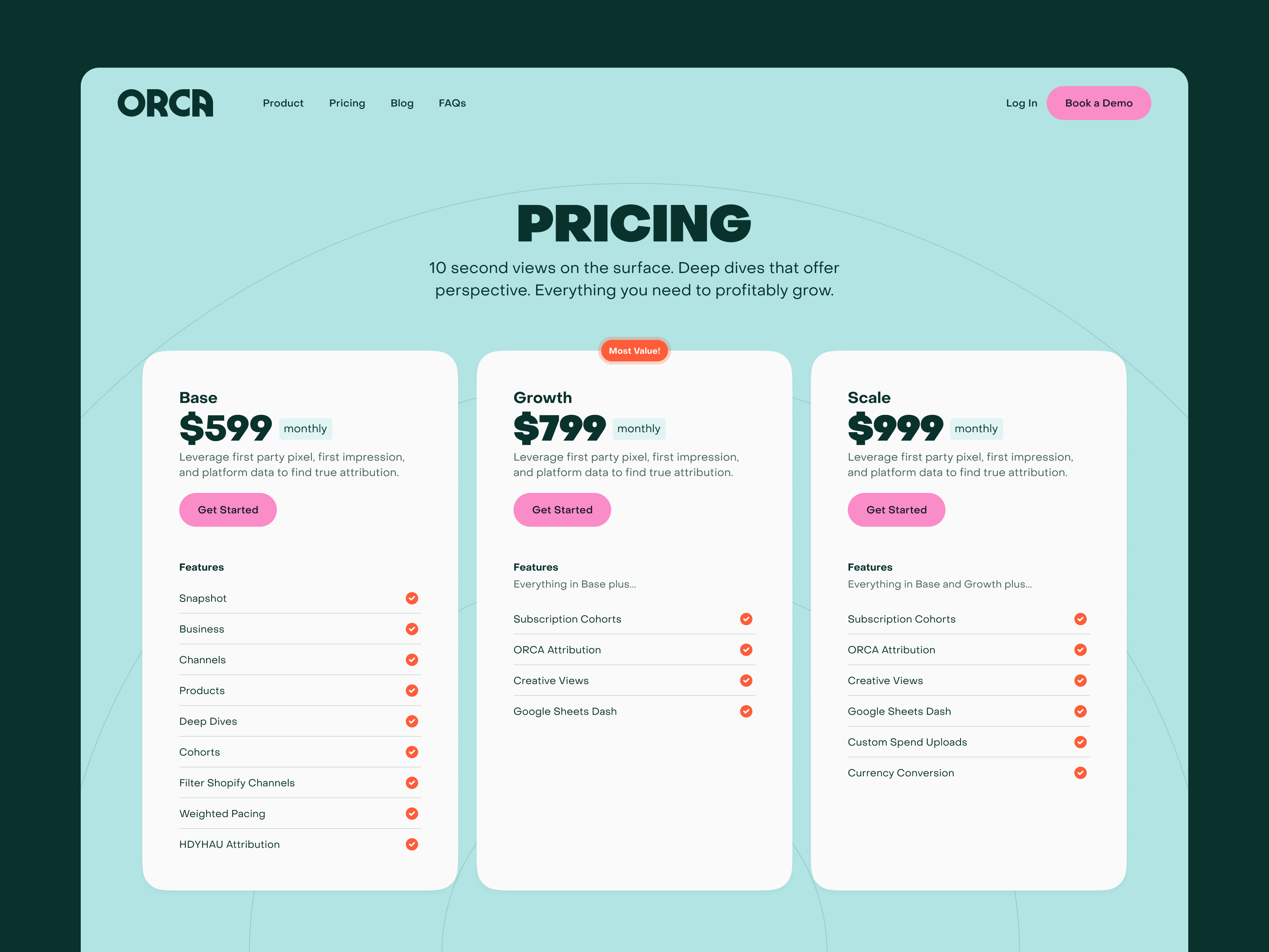
Orca Analytics — Site design for Orca, the operating system for e-commerce brands to profitably scale
Coming Soon!
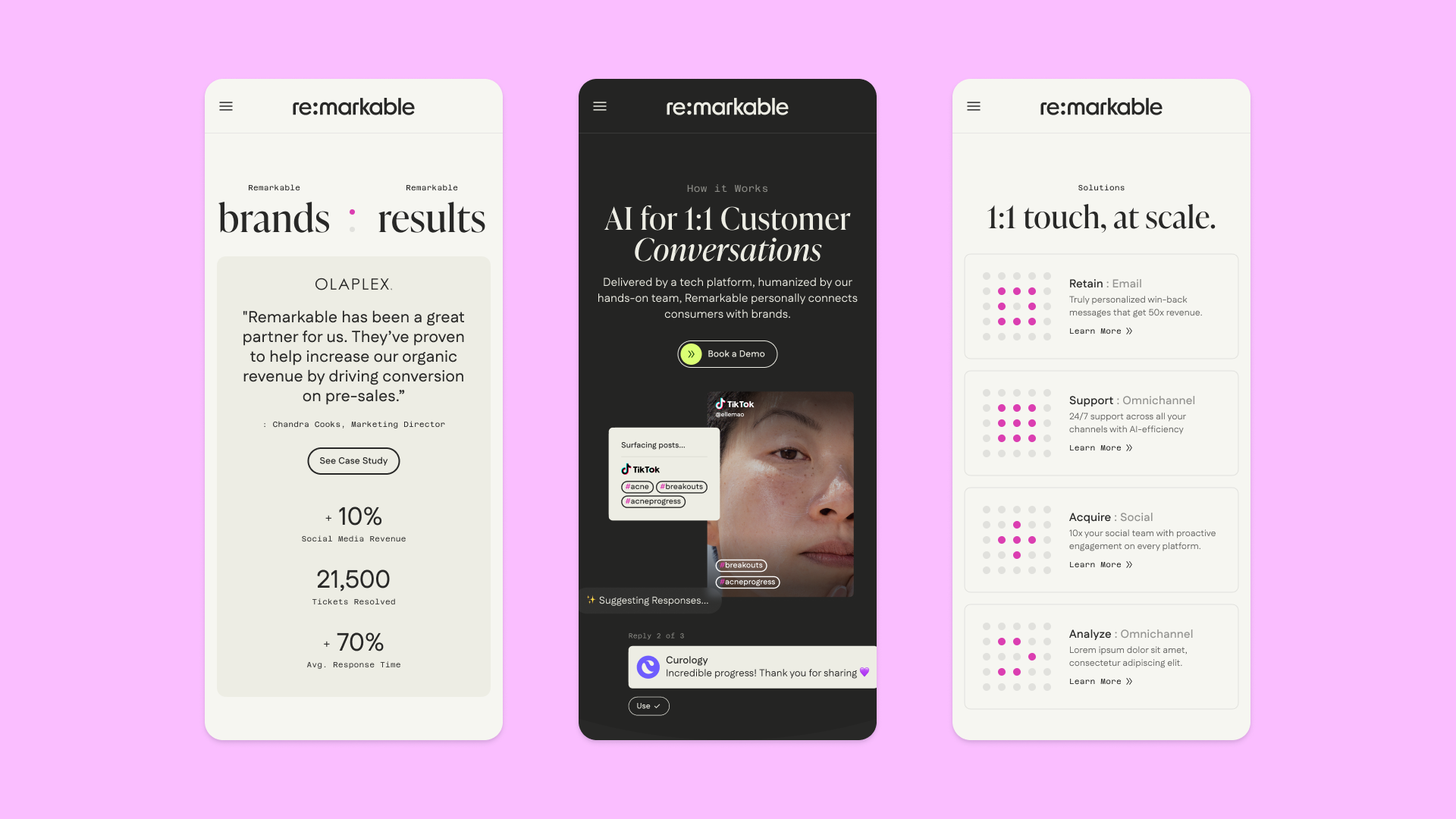
Remarkable — Site design for Remarkable, the AI for 1:1 conversations between consumers and brands